Introduction
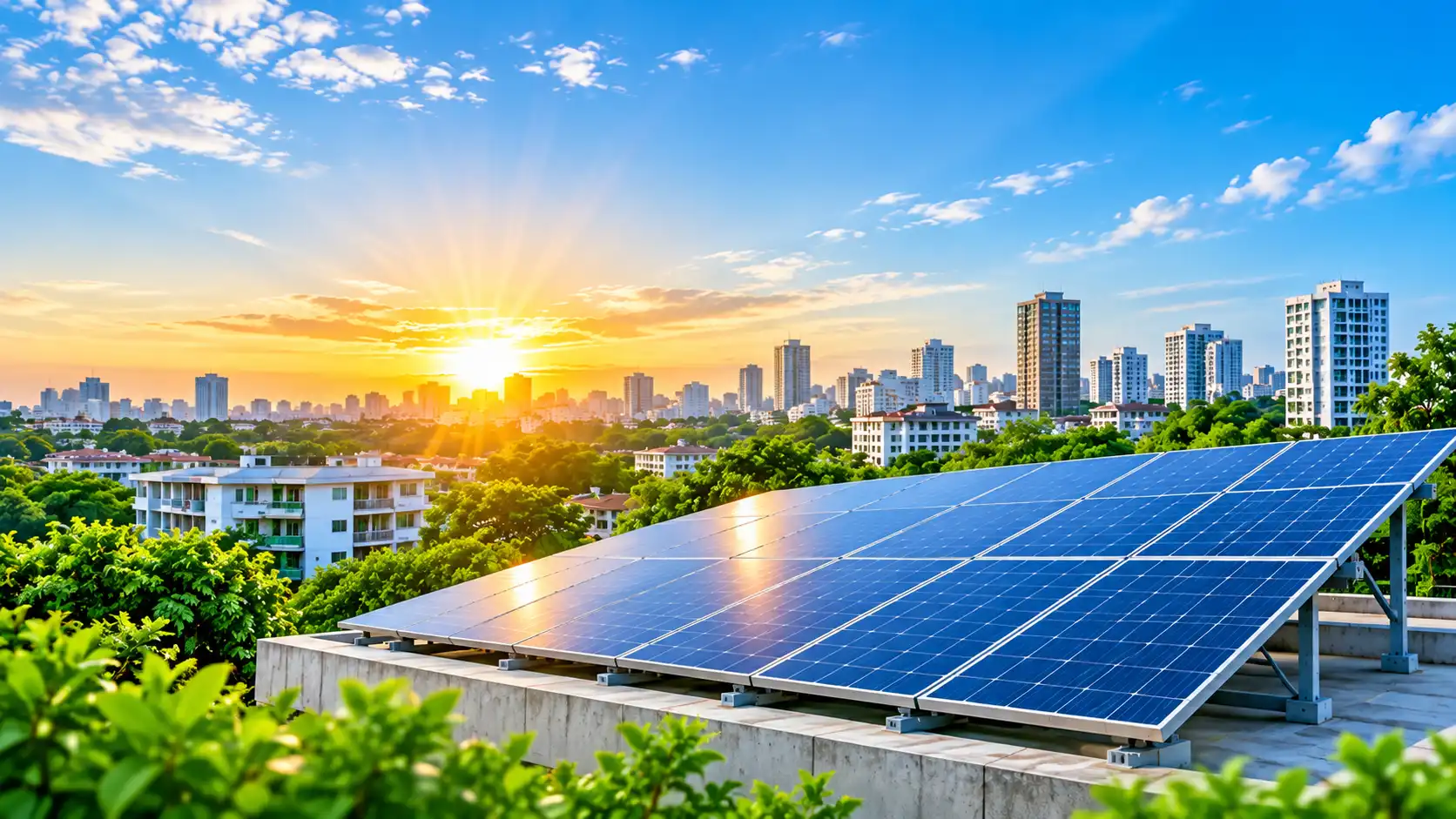
When people think of solar energy, they usually picture shiny panels gleaming on a rooftop. While solar panels are indeed the stars of the show, a complete solar power system is an intricate symphony of specialized components working together to capture, convert, and distribute electricity safely.
Understanding what goes into your system helps you make informed choices, ensuring durability, efficiency, and safety for years to come.
The Core Building Blocks of a Solar System
To build a strong, reliable energy system, every part must be carefully selected and engineered. Let’s break down the essential components:
1. Solar Panels (Photovoltaic Modules)
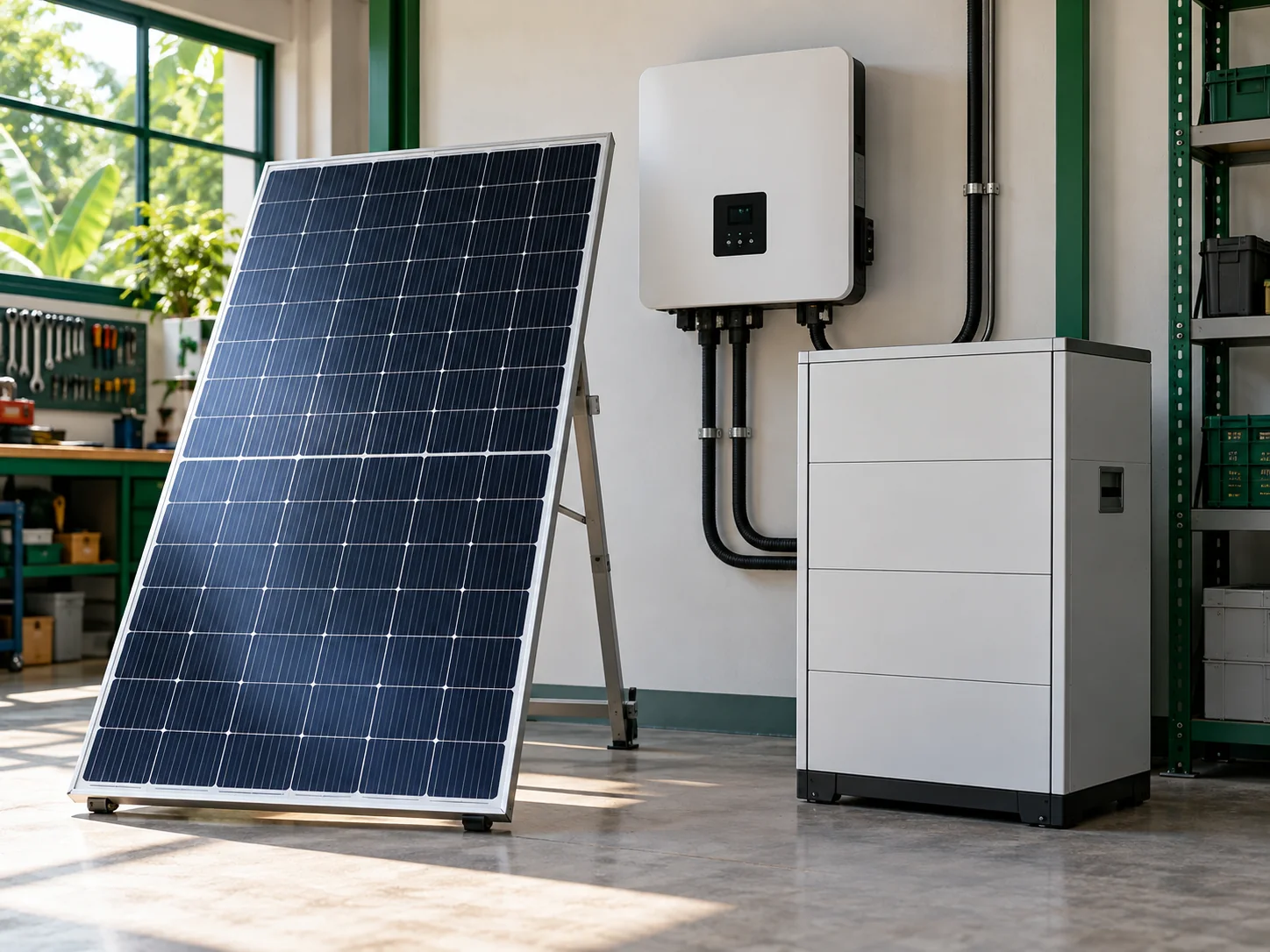
Solar panels capture sunlight and convert it into direct current (DC) electricity. High-efficiency modules ensure maximum energy harvest even during cloudy days or sub-optimal lighting conditions.
2. Inverters
Because most household appliances and industrial machines run on alternating current (AC), the inverter acts as the brain of your setup. It converts the DC electricity generated by the panels into usable AC power. Modern hybrid inverters also manage battery storage seamlessly.
3. Mounting Structures and Hardware
A solar system is only as strong as its foundation. Durable, weather-resistant mounting structures ensure that panels are angled for optimal sunlight capture and secured against harsh winds and seasonal storms.
4. Balance of System (BOS) Accessories
This category includes crucial electrical accessories such as combiner boxes, circuit breakers, DC/AC cabling, and surge protection devices. These components safeguard your entire system from electrical faults, overloads, and lightning strikes.
Quality Matters: Why You Shouldn't Cut Corners
It can be tempting to opt for cheaper, generic components to lower initial installation costs. However, low-tier accessories often lead to energy losses, frequent maintenance issues, and potential fire hazards. Investing in certified, industrial-grade electrical and solar accessories guarantees peace of mind and protects your long-term investment.
Conclusion
A solar system is a long-term commitment—often designed to operate efficiently for 25 years or more. By prioritizing quality components and expert engineering, you ensure that your energy system performs reliably day in and day out.
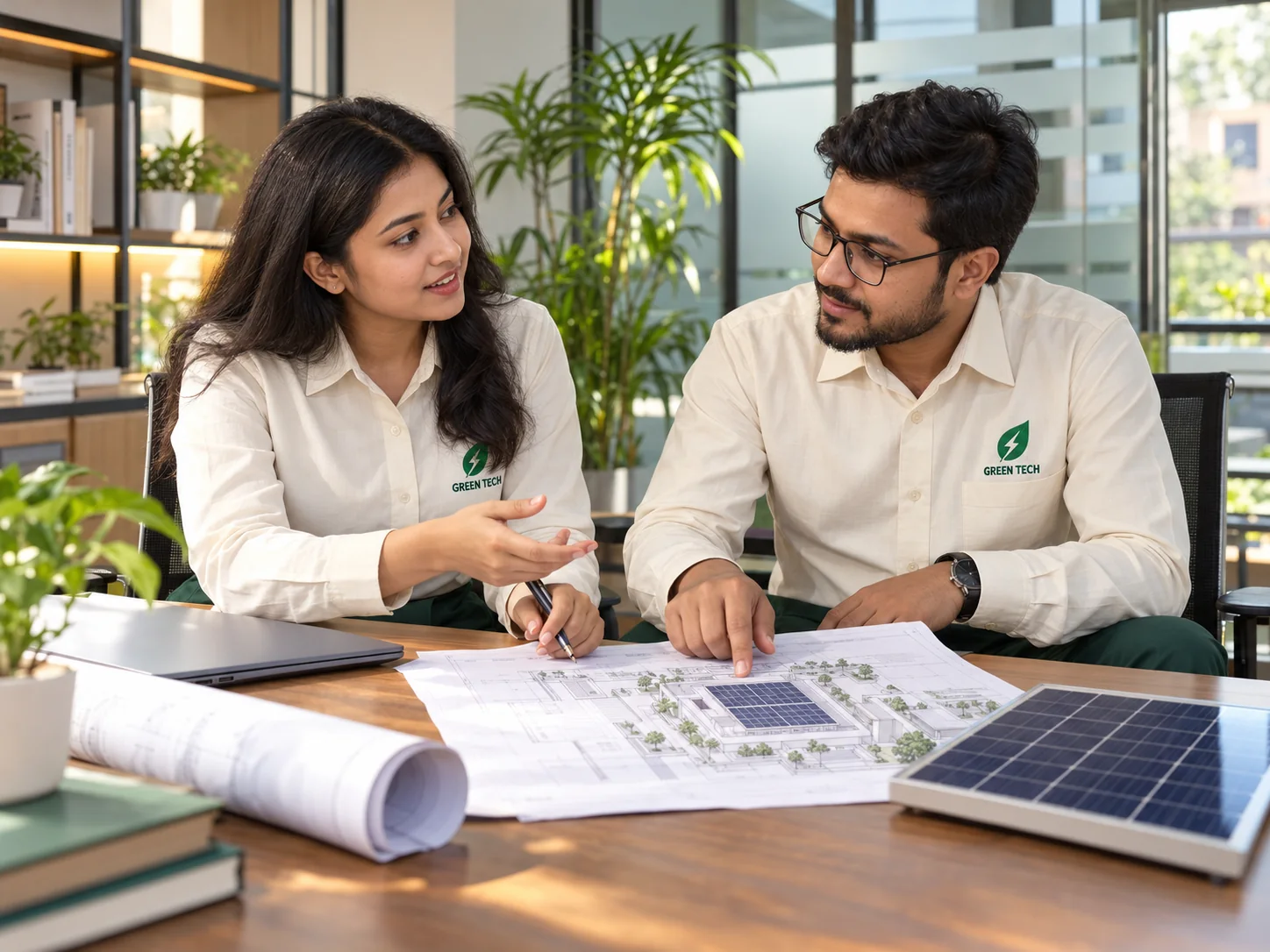
Want to dive deeper into the numbers and specifications for your property? Reach out to our engineering team to explore our comprehensive catalog of solar accessories.